

 Jan 24, 2025
 3 min read
The Mysteries of the Stars and the Sky
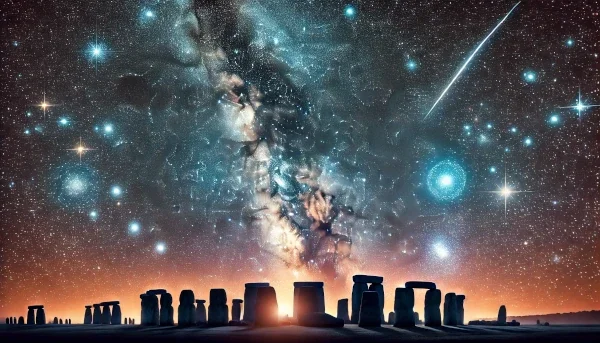
The vast expanse of the night sky has fascinated humanity for millennia. From the shimmering constellations to the infinite depths of the universe, the stars and sky hold secrets that continue to inspire wonder and curiosity. Let us embark on a journey through their mysteries, blending scientific marvels with the spiritual and religious meanings they have carried throughout history.
The Science of Stars
Stars are immense celestial bodies made of hot, glowing gases, primarily hydrogen and helium. They shine by fusing these elements in their cores, releasing vast amounts of energy. Stars are born in clouds of gas and dust called nebulae, live for millions to billions of years, and end their lives in spectacular explosions known as supernovae or by fading into white dwarfs, neutron stars, or black holes.
Each star is unique. Some are giants, like Betelgeuse, a red supergiant nearing the end of its life, while others, like our Sun, are medium-sized stars that sustain life on their surrounding planets. The study of stars has unveiled the mysteries of their life cycles, their chemical compositions, and their role in the universe's grand design.

The Spiritual Connection
Throughout history, stars have held profound religious and spiritual significance. In many cultures, they are seen as divine messengers or symbols of guidance. The three wise men in Christian tradition followed the Star of Bethlehem to find the birthplace of Jesus. In Islam, the Quran mentions stars as adornments of the lowest heaven and as tools for navigation.
Hinduism reveres the seven stars of the Big Dipper, known as the Saptarishi, which are associated with seven great sages. Similarly, the Dogon people of West Africa have intricate cosmological myths about the Sirius star system, demonstrating how stars influence belief systems worldwide.
Unsolved Mysteries
- Dark Matter and Dark Energy: Though stars illuminate the universe, most of its mass remains invisible. Dark matter and dark energy make up about 95% of the cosmos, yet their nature is still a profound mystery.
- The Origin of Fast Radio Bursts: Sudden, intense bursts of radio waves from deep space perplex astronomers. What causes them? Some speculate neutron stars or even extraterrestrial civilizations.
- The Multiverse Hypothesis: Could our universe be just one of countless others? Observations of the cosmic microwave background hint at this tantalizing possibility, expanding our understanding of existence.
The Sky: A Canvas of Wonders
The sky, both day and night, has inspired art, poetry, and music. The vibrant hues of a sunset, the ethereal glow of the aurora borealis, and the endless spread of the Milky Way remind us of nature's beauty. Ancient civilizations built monuments like Stonehenge and the Pyramids of Giza, aligning them with celestial events to honor the sky's significance.
Finding Meaning in the Stars
Looking up at the stars connects us to something greater than ourselves. Whether through the lens of a telescope or the prism of faith, the night sky is a reminder of the vastness of creation and the mysteries that await our discovery.
So next time you gaze at the stars, remember: you are part of this grand, cosmic dance, woven into the fabric of a universe filled with beauty and wonder.
"The heavens declare the glory of God; the skies proclaim the work of his hands." —Psalm 19:1



Comments (0)
Leave a Reply
Log in to post a comment.