

 Jun 27, 2026
 6 min read
Understanding Hormonal Imbalance in Women: Causes, Warning Signs & Natural Solutions
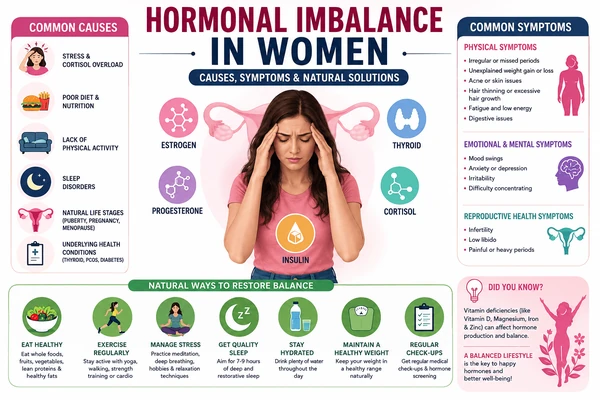
Hormonal Imbalance in Women: Causes, Symptoms, and Natural Ways to Restore Balance
Hormones are often referred to as the body's chemical messengers because they control many important body functions, such as:
- metabolism
- mood
- sleep and wake cycle
- energy
- growth and development
- reproductive health
- Sexual processes
When these hormones are not in balance, even slightly, they can affect both the body and mind.
Hormonal imbalance is a common health issue for women at every age.
While some hormonal changes are a normal part of life, ongoing imbalances can interfere with daily routines and overall health.Learning the causes, identifying the symptoms, and making healthy lifestyle choices can help restore balance and enhance quality of life.
What Is a Hormonal Imbalance?
A hormonal imbalance happens when the body produces too much or too little of certain hormones.
Because hormones work together in a complex system, even a small change in one can affect many other body functions.
Some of the key hormones in women include estrogen, progesterone, thyroid hormones, insulin, and cortisol.
When these hormones are not functioning properly, women may experience changes in their menstrual cycle, mood, weight, skin, and general health.
Conditions related to the Hormones
Some of the most common hormonal related conditions are:
Irregular periods:
Specific conditions that relate to the hormones causes irregular periods such as amenorrhea and Polyendocrine Metabolic Ovarian Syndrome (PMOS).
Acne:
Clogged pores are primarily cause of acne. Although acne can have several causes, hormonal fluctuations during puberty play a major role. In hormonal imbalance, they stimulate the skin's oil glands to produce more oil, which can clog pores and trigger breakouts.
Infertility:
Leading cause of infertility in women is hormonal imbalance. Hormone related conditions like anovulation and PMOS can cause infertility.
Diabetes:
In diabetic patients pancreas doesn't make any or enough of the hormone insulin or patient's body doesn't use it properly.
Thyroid Disease:
There are two types of thyroid disease are:
- Hypothyroidism (low thyroid hormone levels)
- Hyperthyroidism (high thyroid hormone levels)
Obesity:
Hormones play an important role in controlling your appetite, metabolism, and the way your body stores fat. When certain hormones become unbalanced, it can lead to weight gain. For example, excess of cortisol, often caused by chronic stress, and low thyroid hormone levels can slow metabolism and make it easier to gain weight.
Common Causes of Hormonal Imbalance in Women
Several factors can lead to disrupted hormone levels.
Some are natural parts of life, while others are related to lifestyle or medical conditions.
1. Natural Hormonal Changes
Women's hormone levels change during different stages of life.
Puberty, pregnancy, breastfeeding, perimenopause, and menopause all cause significant hormonal shifts.Although these changes are normal, they may temporarily cause symptoms such as mood swings, tiredness, or irregular periods.
2. Chronic Stress
Long-term stress is one of the main causes of hormonal imbalance.
When the body is under constant stress, it releases more cortisol, known as the stress hormone.
Too much cortisol can interfere with reproductive hormones, disrupt the menstrual cycle, lower energy levels, and affect sleep.
It may also lead to increased anxiety, irritability, and trouble focusing.
3. Poor Diet and Nutrition
The foods you eat directly influence hormone production.
Diets high in processed foods, sugary snacks, and unhealthy fats can cause hormonal imbalances.Skipping meals or not getting enough essential nutrients such as vitamin D, magnesium, iron, and healthy fats can also stop the body from making hormones correctly.
Choosing a balanced diet with plenty of fruits, vegetables, whole grains, lean proteins, and healthy fats supports healthy hormone function.
4. Lack of Physical Activity
Regular exercise helps regulate insulin, supports thyroid function, improves metabolism, and reduces stress.
A sedentary lifestyle may lead to weight gain, poor circulation, and hormonal changes that affect overall well-being.
Even simple activities like walking, cycling, or yoga can help maintain healthy hormone levels.
5. Poor Sleep
Sleep is crucial for regulating hormones.
During sleep, the body repairs itself and produces several important hormones.Not getting enough good quality sleep can increase cortisol, disrupt appetite hormones, reduce energy, and negatively affect reproductive hormones.
Adults should aim for 7 to 9 hours of restful sleep each night.
6. Medical Conditions
Some health conditions can affect hormone production, including:
- Thyroid disorders
- Polycystic ovary syndrome (PCOS)
- Diabetes and insulin resistance
- Adrenal gland disorders
- Premature ovarian insufficiency
If symptoms continue, it's important to see a healthcare professional to find the underlying cause.
Symptoms of Hormonal Imbalance
The symptoms depend on which hormones are affected and the severity of the imbalance.
Physical Symptoms
- Irregular, missed, or heavy periods
- Unexplained weight gain or weight loss
- Constant fatigue
- Acne or oily skin
- Hair thinning or unwanted facial hair
- Digestive issues
- Headaches
- Trouble sleeping
- Slow or rapid heartbeat
Emotional and Mental Symptoms
- Mood swings
- Anxiety
- Depression
- Irritability
- Brain fog
- Difficulty concentrating
Reproductive Symptoms
- Lower sex drive
- Trouble getting pregnant
- Painful periods
- Vaginal dryness
Since these symptoms can also be caused by other health issues, it's important to get a proper diagnosis from a healthcare professional.
How Is Hormonal Imbalance Treated?
Treatment depends on the cause.
In many cases, healthy lifestyle habits can greatly improve hormone balance.Some women may also need medications or hormone therapy from their healthcare provider.
Healthy Lifestyle Changes That Support Hormone Balance
1. Eat a Nutrient-Rich Diet
Focus on whole foods that provide essential vitamins, minerals, fiber, and healthy fats.
Limiting processed foods and sugary drinks can help support healthy hormone production.
2. Exercise Regularly
Aim for at least 150 minutes of moderate activity each week.
Exercise helps regulate hormones, improve mood, and maintain a healthy weight.
3. Manage Stress
Simple relaxation techniques such as meditation, deep breathing, spending time outdoors, or practicing yoga can lower cortisol levels and improve emotional well-being.
4. Prioritize Quality Sleep
Stick to a regular sleep schedule and create a calming bedtime routine to support hormone regulation.
5. Stay Hydrated
Drinking enough water helps maintain a healthy metabolism and supports many body functions, including hormone transport.
6. Maintain a Healthy Weight
Both being overweight and underweight can affect hormone production.
Keeping a healthy weight may improve menstrual regularity and overall hormonal health.
7. Schedule Regular Health Checkups
Routine medical exams can detect hormonal issues early and allow for prompt treatment to prevent complications.
Can Vitamin Deficiencies Cause Hormonal Imbalance?
Yes.
Certain nutrient deficiencies can interfere with hormone production and regulation.
Low levels of vitamin D, magnesium, iron, zinc, vitamin B12, and healthy omega-3 fats may lead to hormonal problems.
Eating a balanced diet and correcting deficiencies under medical guidance can help support hormone function.
How Does Vitamin D Affect Hormones?
Vitamin D plays an important role in many hormonal processes throughout the body.
Low vitamin D levels have been linked to irregular menstrual cycles, reduced fertility, weakened immunity, fatigue, and mood changes.
Maintaining healthy vitamin D levels through safe sunlight exposure, nutritious foods, or supplements, as recommended by a healthcare professional, can support overall hormonal health.
Final Thoughts
Hormonal imbalance can impact women at every stage of life, affecting physical health, emotional well-being, and reproductive function.
While natural life events like puberty, pregnancy, and menopause often cause temporary hormonal changes, understanding the causes, symptoms, and natural ways to restore balance can help women maintain their health and improve their quality of life.




Comments (0)
Leave a Reply
Log in to post a comment.